The real estate and hospitality industries are evolving at a rapid pace. In 2025, changing consumer behavior, new technologies, and global economic shifts are reshaping how people buy, rent, and experience properties. For investors, agents, and operators, staying ahead of these changes is key to building sustainable businesses.
This article explores the top real estate and hospitality trends for 2025 and what they mean for markets like Nigeria, Africa, and beyond.
- Growth of Short-Let Apartments and Flexible Living
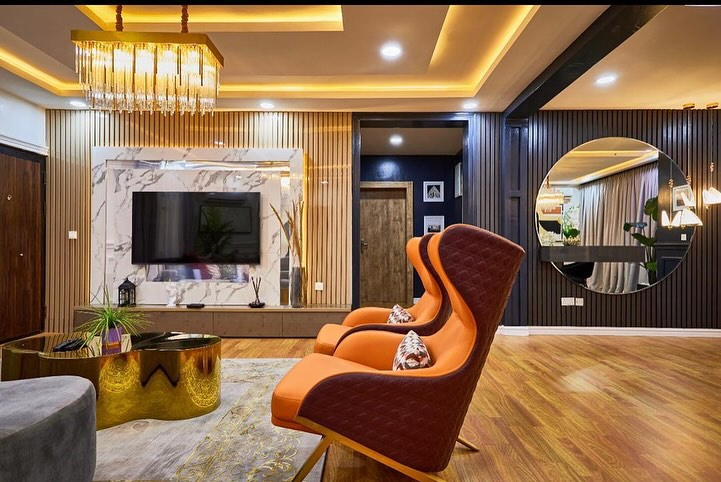
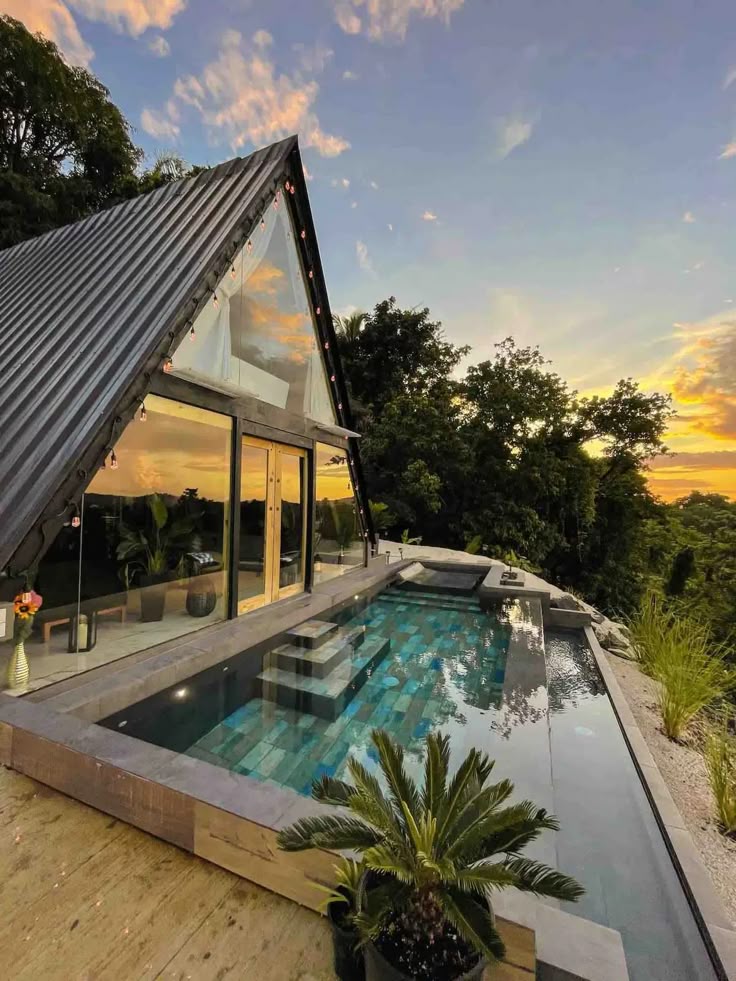
The demand for short-let apartments is at an all-time high. Travelers, expatriates, and business professionals are seeking spaces that combine the comfort of home with the convenience of hospitality. In Nigeria, cities like Lagos and Abuja have become hubs for this market.
Short-let operators who provide:
Flexible booking options
Fully furnished apartments
Concierge-style services
…are finding higher occupancy rates than traditional landlords. This trend is expected to grow as more young professionals and digital nomads embrace flexible living.
2. Technology and Smart Hospitality
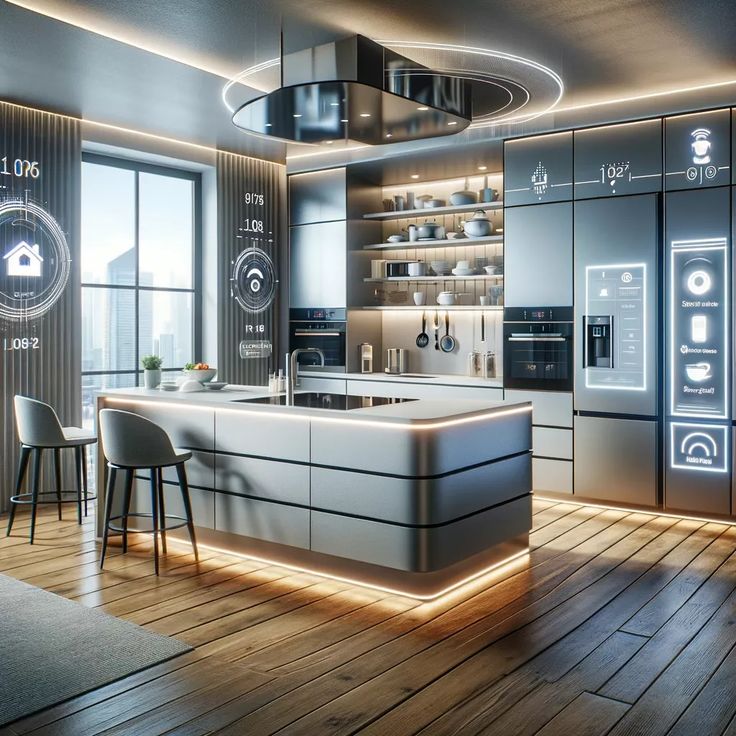
In 2025, tech-enabled properties are no longer a luxury, they are a necessity. Guests and tenants expect seamless digital experiences, such as:
Keyless entry systems
Automated check-ins and check-outs
High-speed internet and smart appliances
AI-powered guest support
For property owners, adopting PropTech solutions also means better data management, improved pricing strategies, and streamlined maintenance operations.

- Sustainability as a Selling Point
Eco-friendly real estate is becoming mainstream. Tenants and guests are choosing sustainable spaces over traditional ones. Features like:
Solar energy installations
Energy-efficient lighting
Water-saving systems
Green certifications
…are not just appealing to environmentally conscious travelers, they also cut operational costs for owners. Investors are increasingly putting money into green real estate projects, making sustainability a long-term business advantage.
4. Hybrid Living: Work, Live, and Stay

4. Remote and hybrid work models are here to stay. This shift has created demand for apartments and hotels that double as work-friendly environments.

Key features attracting this market include:
Ergonomic workstations inside apartments
Fast and reliable Wi-Fi
Shared work lounges and conference facilities
Quiet, distraction-free environments
For the hospitality sector, merging business and leisure living is now a core strategy.

- Branded Residences and Experience-Driven Living
The rise of branded residences is redefining the luxury market. International hotel brands and local developers are creating residences that combine premium design, personalized services, and exclusive community experiences.
Instead of just renting a space, tenants are paying for a lifestyle—wellness programs, curated events, and bespoke hospitality services. This trend is especially appealing to high-net-worth individuals in Africa’s major cities.

- Data-Driven Property Management
Smart operators are leveraging data analytics to optimize profitability. By tracking booking patterns, seasonal demand, and guest reviews, property managers can:
Adjust pricing dynamically
Reduce vacancy rates
Improve guest satisfaction
Anticipate maintenance needs
In competitive markets like Lagos and Dubai, data-backed decision-making is the difference between high turnover and consistent profit.
The line between real estate and hospitality is blurring. Properties are no longer just physical assets—they are experiences. Investors and operators who adopt smart technologies, embrace sustainability, and provide customer-centered services will dominate in 2025 and beyond.
If you are considering entering the short-let or real estate investment market, now is the time to align with these trends. The future belongs to those who combine property ownership with hospitality innovation.
AUTHOR
Sonia Stephen-Ojiugo